When considering "what size solar pump do I need for a well," it’s crucial to understand the nuances involved. John Smith, a solar energy expert with over 15 years of experience, emphasizes, “Choosing the right size solar pump can significantly impact efficiency and performance.” His insight reflects the importance of matching pump size with specific well characteristics.
The size of solar pumps directly correlates with the depth of the well and the required flow rate. Many homeowners overlook these factors. Not all wells are the same; some are deep and narrow while others are shallow and wide. Each scenario demands a tailored approach. A mismatch may lead to underperformance or excessive wear on the pump.
Assessing your needs is essential. Measuring well depth and considering how much water you need will guide your decision. Sometimes it's easy to get lost in technical jargon and numbers. But focusing on your specific situation can clarify things. An incorrectly sized pump can lead to wasted energy and increased costs. Careful evaluation is key to achieving success.
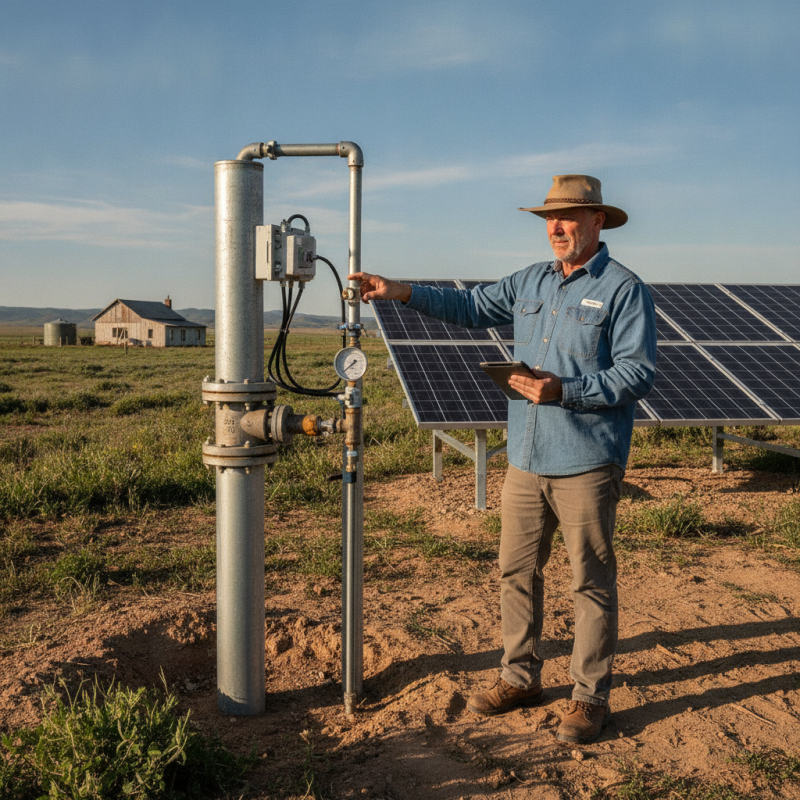
Selecting the right size solar pump for your well involves understanding several key factors.
The depth of your well is critical. The deeper the well, the more power you will need.
Measure your well's depth accurately. This will help you determine the required lift for the pump.
Another vital aspect is your water demand. Assess how much water you need daily. Different applications require different flow rates.
For instance, irrigation systems might need more water than household needs.
Tips: Always calculate the peak demand times. This ensures your pump can handle sudden changes in water usage.
Also, consider the solar panel output. The right solar panels can optimize the pump's efficiency.
Don’t overlook the local climate. Solar pump performance can vary based on sunlight intensity.
A location with consistent sunlight might allow for a smaller system than one with fluctuating daylight.
Tips: Review seasonal patterns.
Rainy seasons may lower your pumping needs, while dry spells can increase them.
Ultimately, remember each installation has unique challenges. It is essential to engage local experts.
They can provide insights specific to your location and needs. This helps avoid common pitfalls during the selection process.
Choosing the right size solar pump for your well is critical to ensure it meets your water needs. Understanding your well depth and the water table levels is essential in making this decision. A well's depth refers to how far down the water is. The water table is the boundary between soil that is saturated with water and dry soil. Both of these factors determine the pump's efficiency and performance.
Knowing the depth of your well is the first step. It helps in selecting a pump with the appropriate lift capacity. The deeper the well, the more powerful the pump you'll need. Water table levels can fluctuate based on seasons and rainfall. This variability can impact how often your pump will need to work, affecting its longevity and efficiency.
Tips:
Check the water table regularly. This helps in anticipating changes that can impact your pump’s performance.
Consider seasonal variations when sizing the pump. A pump that works efficiently in spring may struggle in summer droughts.
Consult a professional if you're unsure. Incorrect sizing can lead to frequent repairs and inefficient water supply. Understanding these elements will lead you to a better water management solution.
When determining the right size solar pump for a well, calculating daily water demand is crucial. Studies indicate that an average household requires about 300 to 400 gallons of water daily. This number varies based on factors like the number of occupants, agricultural activities, and specific needs such as irrigation. Understanding the total demand will help you select a pump that operates efficiently.
To achieve optimal solar pump output, consider your flow rate needs. A typical solar pump may provide between 1 to 10 gallons per minute, depending on its size and solar panel capacity. Calculate peak water usage times and ensure your pump can handle these demands. For example, if you need 600 gallons a day, your system must deliver an average of four gallons per minute during peak usage.
**Tips:** Assess seasonal variation in water needs. You may require more during the summer for irrigation. Additionally, invest in a pump controller to regulate the output based on available sunlight and water demand.
Consider the type of well you have. A shallow well may need a different pump compared to a deep well. Review local regulations regarding water use, and consult with a professional when sizing your solar pump. This will help prevent over-sizing or under-sizing the pump, which can lead to inefficiencies and increased operational costs.
When selecting the right size solar pump for your well, understanding solar irradiance is crucial. Solar irradiance measures the sunlight energy reaching the Earth’s surface. The efficiency of solar pumps relies heavily on this measurement. In areas with high solar irradiance, pumps can operate at optimal performance. However, in regions with lower sunlight exposure, efficiency may suffer.
It's important to assess your location. Seasonal changes impact solar irradiance. For instance, winter months typically have fewer sunny days. A pump that performs well in summer may struggle in the winter. This variability influences the calculated size of the solar pump you need. You may find your initial estimations may not meet water demands throughout the year.
Moreover, the angle and direction of solar panels affect energy capture. Suboptimal positioning can lead to significant drops in pump output. It's beneficial to monitor performance regularly. Adjustments may be necessary to ensure your solar system operates effectively. Remember, deliberating on these factors can lead to improvements in your overall setup.
Choosing the right solar panel specifications for your pump system is critical. A well-designed solar pump can drastically reduce water costs. The average solar panel wattage varies from 100 to 400 watts. The exact requirement depends on the pump's size and flow rates.
Consider the pump's depth and the amount of water needed daily. For example, a pump that needs to lift water from 100 feet may require more power. The water flow rate, typically measured in gallons per minute (GPM), plays a crucial role too. According to industry reports, a flow rate of 2 GPM often needs around 200 watts of solar energy.
Pay attention to peak sunlight hours in your area. On average, regions receive 4-6 peak sunlight hours per day. This can influence your solar panel selection. Relying on outdated data can lead to underperformance. Always seek updated and reliable specifications when designing your system. Balancing power needs with available sunlight ensures optimal functionality during peak usage.
: Measure your well's depth accurately. This helps identify the required lift for the pump.
Assess daily water needs. Different applications require varying flow rates, affecting pump size.
Calculate peak demand times. This ensures your pump can handle sudden changes in water consumption.
Performance varies with sunlight intensity. Consistent sunlight may allow for a smaller system compared to fluctuating daylight.
Yes, review seasonal patterns. Rainy and dry seasons can significantly impact your pumping needs.
Incorrect sizing leads to frequent repairs and inefficiencies in water supply. It's essential to get it right.
Consult an expert if unsure about sizing. They can provide tailored insights for your specific needs.
Regular checks help anticipate changes that affect pump performance and efficiency.
Yes, deeper wells require more powerful pumps. This can increase wear and tear, affecting longevity.
No, each installation has unique challenges. Local experts can help navigate these specific issues effectively.
Choosing the right solar pump for your well requires careful consideration of several factors. First, understanding the depth of your well and the fluctuating water table levels is crucial, as these elements directly influence the pump size needed to draw adequate water. Additionally, calculating your daily water demand helps determine the optimal solar pump output necessary to meet your needs.
Furthermore, solar irradiance plays a significant role in pump efficiency, as higher sunlight exposure can enhance performance. Selecting the appropriate specifications for your solar panels ensures that the system operates effectively in tandem with the pump. In summary, when asking "what size solar pump do I need for a well," consider well depth, daily water requirements, solar energy availability, and panel specifications to make an informed decision.

Aryam Energy